

Market Insights
Wheel Loader Buying Guide 2026: How to Choose the Right Machine

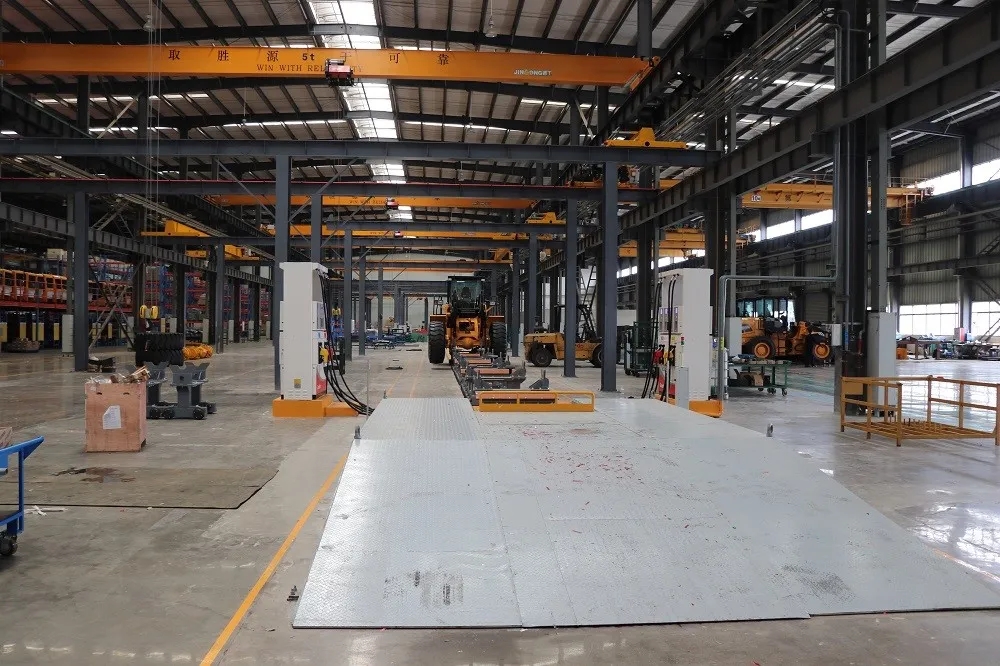
Deciding which wheel loader to buy is one of the bigger equipment purchases you’ll make. Get it right and you have a machine that pays for itself year after year. Get it wrong and you’re stuck with downtime, expensive repairs, and a machine that never quite fits your jobs.
This guide walks through everything you need to know before you buy — from bucket size and engine power to brand comparisons and total cost of ownership.
Table of Contents
- What Is a Wheel Loader?
- How to Match Machine Size to Your Job
- Key Specs That Actually Matter
- New vs Used Wheel Loaders
- Top Brands Compared (2026)
- Why Chinese Wheel Loaders Are Worth a Look
- Total Cost of Ownership
- FAQ
What Is a Wheel Loader?
A wheel loader is a heavy equipment machine with a large bucket on the front, used for moving loose materials like dirt, gravel, sand, demolition debris, and aggregates. Unlike a bulldozer (which pushes), a wheel loader lifts and carries.
The global wheel loader market sits at roughly $12 billion and continues growing as infrastructure projects ramp up worldwide.
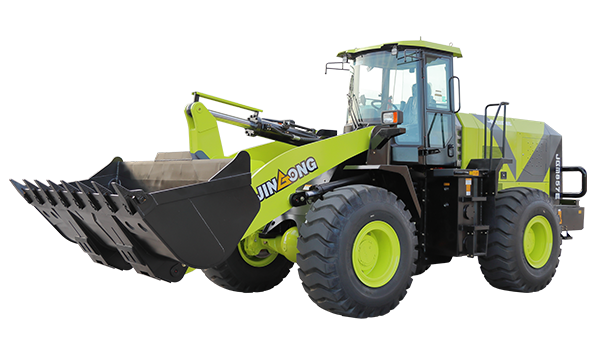
How to Match Machine Size to Your Job
Wheel loaders come in three broad categories. Compact (under 80 HP) for tight spaces. Medium (80-250 HP) for most construction work. Large (250+ HP) for mines and heavy quarries.
Most buyers over-spec. They buy 20% bigger than they need, paying more upfront and burning more fuel. The right question is what’s the smallest machine that can handle your average workday.
Key Specs That Actually Matter
Focus on bucket capacity, operating weight, breakout force, dump height, fuel efficiency, and operator comfort. These six specs tell you more than any brochure.
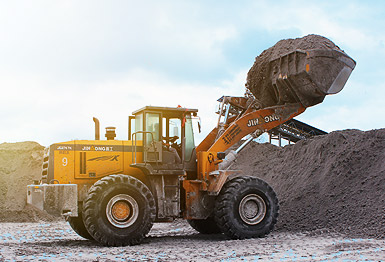
New vs Used Wheel Loaders
Buying new means warranty, latest tech, and zero unknown history. A new medium loader runs $150k-$350k. Buying used saves 30-50% but carries maintenance risk.
If you can afford new and plan to keep it 5+ years, buy new. Otherwise a well-maintained used loader with 10-15% set aside for repairs is the smarter play.
Top Brands Compared (2026)
Caterpillar — Market leader, best parts availability, highest price. Volvo — Best fuel efficiency, great operator comfort. Komatsu — Durable Japanese engineering. JCB — Strong in compact and medium loaders. XCMG — 30-50% cheaper, 900% search growth. Liugong — Strong in developing markets with Cummins engines.
Why Chinese Wheel Loaders Are Worth a Look
Chinese loaders cost 30-50% less than CAT or Volvo. Quality has improved dramatically. Chinese brands now use Cummins engines, Dana axles, and ZF transmissions. Lead times are 30-45 days. The trade-off is lower resale value and slower parts supply for non-engine components.
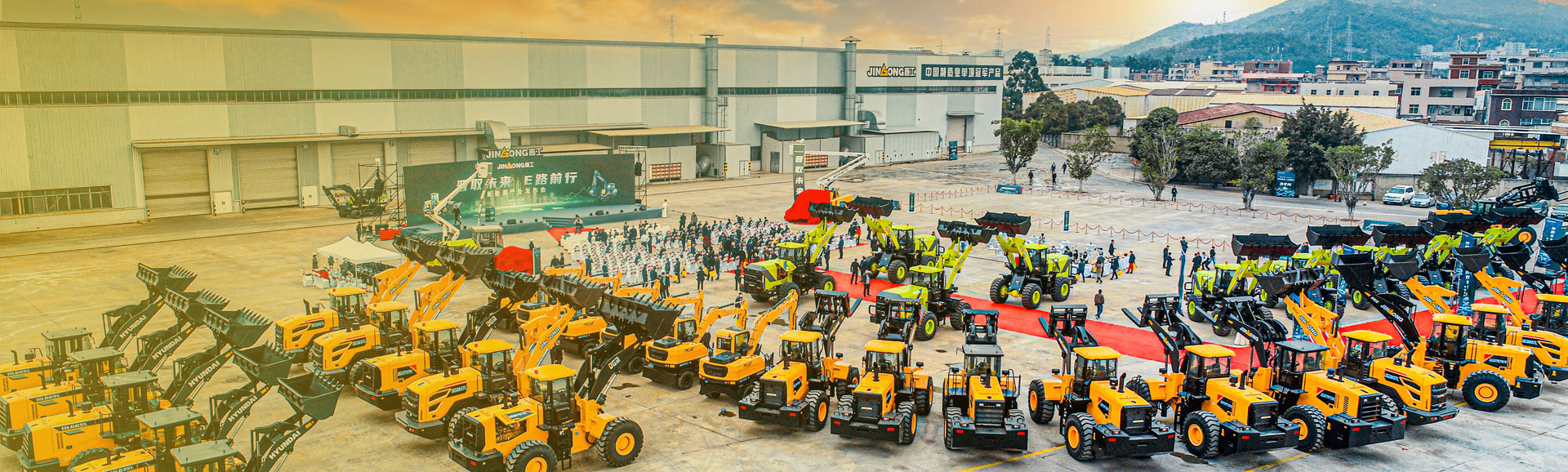
Bottom line: If you’re cost-sensitive and have a local mechanic, a Chinese loader is one of the best values in heavy equipment today. CHINA has been supplying construction machinery for 20+ years with direct factory relationships across China.
Total Cost of Ownership
Over 5 years, a $200k machine costs roughly $350k-$450k to operate including fuel and maintenance. Key savings: don’t oversize, do preventive maintenance, match tires to surface, train operators.
FAQ
Wheel loader vs front-end loader? Same machine, different name.
How many hours does a loader last? 8,000-12,000 hours with good maintenance.
Wheel loader or track loader? Wheel loaders are faster and cheaper to maintain.
Is 2026 a good time to buy? Yes — steel and shipping costs have stabilized, used prices are down from 2022-2023 highs.
Need help finding the right wheel loader? We’ve been connecting buyers with Chinese construction machinery since 2005. Contact CHINA for specs and pricing.