

Market Insights
How Oil-to-Electric Conversion Is Changing the Aftermarket 2026

When OEMs Start Doing It Themselves
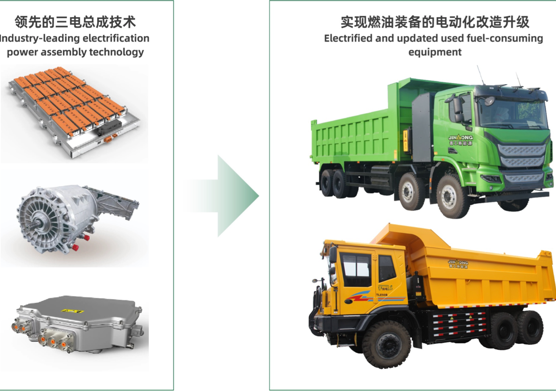
For years, the conversation around “oil-to-electric” has been dominated by a single idea: buy a new electric machine. But earlier this month, the industry took an unexpected turn.
XCMG and Liugong recently announced formal “retrofit services”—transforming your existing diesel excavators and loaders into electric machines using their own battery and motor technology. XCMG has already set up service centers in Chengdu and Xi’an specifically for this purpose.
This signals a shift. The aftermarket isn’t just about selling spare parts anymore; it’s about extending the life cycle of aging fleets.
The Two Paths to Electrification
If you’re a fleet manager deciding how to go green in 2026, you now have two distinct options:
- Retrofit Your Current Fleet (XCMG/Liugong Approach): If you have high-value diesel units that still have 5+ years of structural life left, retrofitting can save you 30-40% compared to buying new. These OEMs are positioning themselves as the safe choice for upgrading older assets.
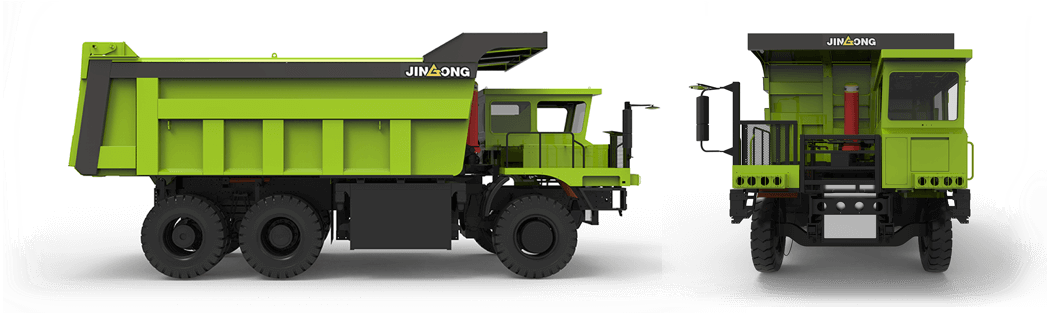
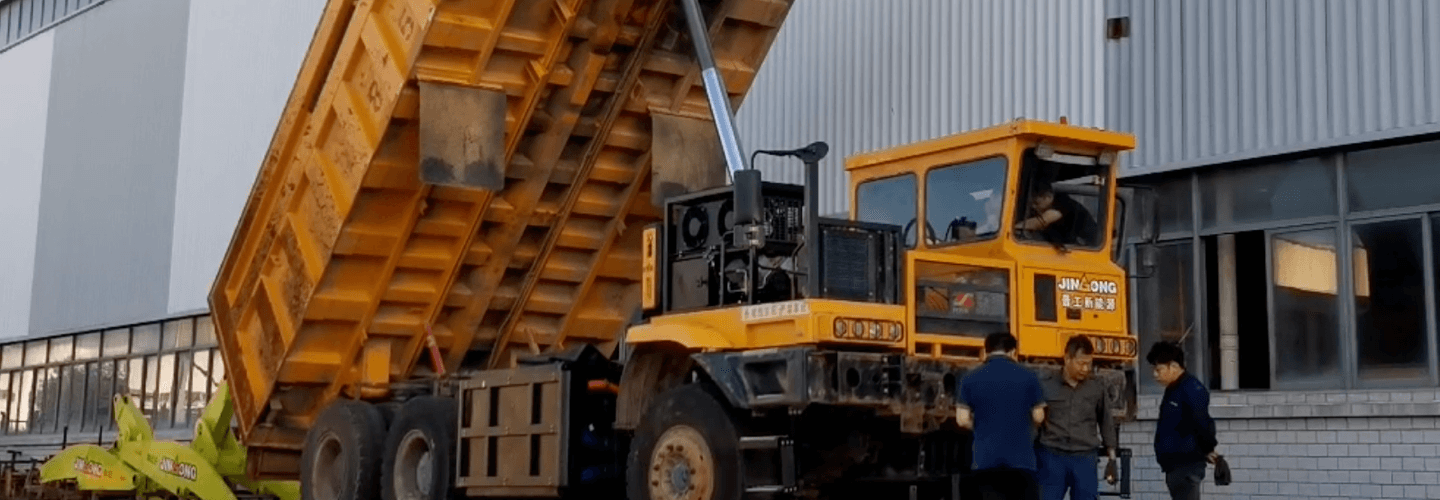
- Purpose-Built Electric (Jingong/JGM Approach): Many buyers are finding that retrofitting adds complexity (compatibility issues, voided warranties). For these operators, brands like Jingong (晋工) are the smarter bet.
Why Purpose-Built Wins for Many Buyers
Take the JGM857E electric wheel loader, for example. Built from the ground up with an integrated battery system and optimized hydraulic drive, it avoids the “Frankenstein” syndrome of retrofits—where a standard engine frame struggles to house heavy batteries.
Jingong’s dedicated electric lineup offers:
- Simplified Maintenance: No oil-to-electric plumbing means fewer leak points and less downtime.
- Better Efficiency: Purpose-built frames often use 20% less energy per load than converted units.
- Ready Availability: Unlike waiting for a specialized retrofit slot, JGM857E units are production-ready for immediate deployment.
What This Means for Spare Parts Demand
The rise of “oil-to-electric” doesn’t kill the traditional aftermarket—it reshapes it.
- Declining Demand: Engine overhaul kits, fuel filters, and transmission fluids will naturally decrease as more machines switch to clean power.
- New Opportunities: Battery cooling systems, electric motor maintenance, and high-voltage cable replacements become new SKUs.
- The Constant: Wear parts remain critical. Whether your loader is diesel, electric, or a mix of both, bucket teeth, track pads, and hydraulic seals never stop wearing out.
The Bottom Line
“Oil-to-electric” is a fantastic option for keeping old rigs on the road, but it’s not the only answer. As 2026 progresses, successful contractors will likely run a mixed fleet: retrofitted diesel giants doing the heavy lifting, alongside agile purpose-built electric loaders handling tight-scope tasks.
As a trusted Chinese supplier, we provide parts for all stages of this transition—from standard undercarriage sets for your retrofitted fleet to replacement components for our partner’s electric units.
Are you planning your electrification strategy? Let us help you source the right parts for the right job.
2 thoughts on “How Oil-to-Electric Conversion Is Changing the Aftermarket 2026”