

Market Insights
Electric Wheel Loaders China 2026: 30% of Sales

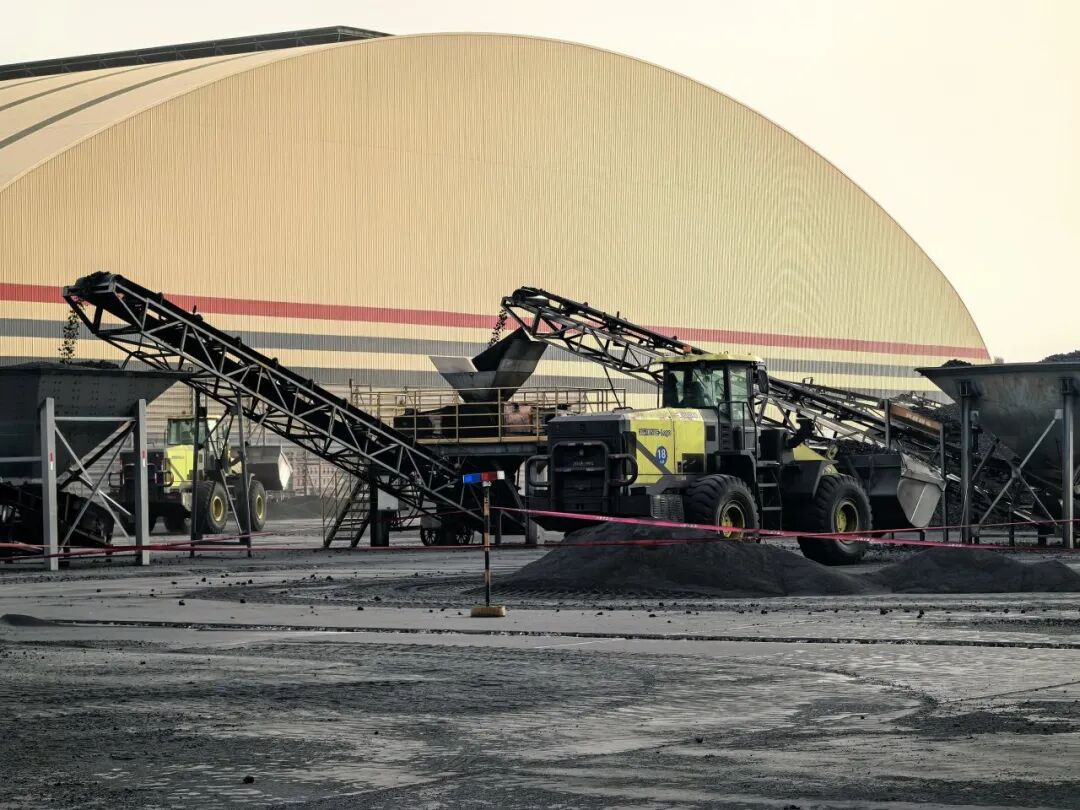
In March 2026, Chinese factories sold 17,026 wheel loaders of all kinds. Just over 5,100 of them — 30% — were battery-electric. It was the first month the electric share crossed that line, and by mid-year the average had settled around 31%. In January the number was still 25%.
We sell loaders and loader parts for a living, so this curve matters to us in a very practical way: one in three loaders leaving a Chinese factory is no longer an experiment. Here is what the 2026 electric wheel loader data actually says, where the export market lags, and what it means if you are buying or maintaining fleets abroad.
The Adoption Curve: 1% to 30% in Four Years
Read the industry association (CCMA) numbers back in time and the slope is startling:
| Period | Electric wheel loader share of domestic sales |
|---|---|
| 2022 | ≈1% |
| 2025 full year | ≈23% |
| Jan 2026 | 25.4% (2,990 units, +175% YoY) |
| Mar 2026 | 30.3% (5,163 of 17,026 units) |
| H1 2026 | ≈31% |
| 2026 full year (projection) | 50,000+ electric units |
Total loader sales are also up — 93,826 units in January–July, +27.2% YoY, with exports +38.9% — so electrification is not eating a shrinking pie; it is taking share inside a growing one. That combination is what pushes a technology past the point of return.
Why Chinese Yards Switched First
The units aren’t going to open-pit mines or long-haul truck-and-shovel sites. They are settling into the places where electric drive stops being cute and starts printing money:
- Steel mills, coal yards, chemical plants — 12–20 hour duty cycles indoors or semi-enclosed, where fuel savings compound and emission inspectors hover. A real example we covered recently: a fleet of 30+ electric loaders handling coal and carbide, with first-batch machines past 20,000 hours (case study with the cost math here).
- Ports and bulk terminals with cheap night-rate electricity and fixed short haul cycles.
- Municipal and utility work where noise and exhaust rules bite earliest.
At China’s industrial electricity tariffs, the energy line alone beats diesel by 60–70% per running hour; add the vanished engine-maintenance budget and paybacks drop under two years on heavy-shift sites. Nobody adopts at 30% penetration because of brochures.
The Export Gap: 31% at Home, Under 5% Abroad
Here is the number overseas buyers should study: while roughly one in three loaders sold domestically in China is now electric, electric machines are still under 5% of China’s loader exports. The export boom — +38.9% this year, now nearly 60% of total loader shipments — is overwhelmingly diesel, and a large slice of it is used machinery.
That gap is not a quality signal. It is infrastructure gravity: buyers import what their yards can charge and their mechanics can fix, and battery-service networks take years to build outside China. It also means the electric fleet you would import has already been run hard in Chinese industrial duty for a couple of years — the 20,000-hour machines above were proof-carrying before export markets were even asked to trust them.
What Buyers Should Actually Do With This
- Screen your own fleet for electric-ready cycles: short fixed haul distances, long daily hours, grid access at the working face, night charging windows. If two of four match, run the math.
- Buy the service stack, not just the machine. Diagnostic tooling, trained techs, and written parts-stock commitments decide whether machine #2 arrives — the 30%-penalty of waiting weeks for a controller from overseas is how electrification projects die.
- Keep one foot in diesel for remote work. No-grid sites still belong to combustion or hybrid. The honest answer in 2026 is “both”, with a migration plan.
What It Means for Parts
Electric drivetrains shrink the engine-parts pool — no filters, injectors, turbo or aftertreatment — but loaders still have buckets, pins, bushings, rollers, cylinders, tires and hydraulics working the same coal and rock. Our own inventory question in 2026 is not “electric vs diesel” but “which wear sets does a mixed fleet need, stocked where.” If you run a mixed yard, we would love to see your parts consumption data; it sharpens everyone’s stock list.
Sales and penetration figures: China Construction Machinery Association (CCMA) monthly releases and industry trade press, Jan–Aug 2026.